168.14 Router Login and Network Guide

Access to the 168.14 router begins with a stable connection to the device’s network and a secure admin portal. The navigation emphasizes a clear hierarchy: Dashboard, Settings, and Security, each with discrete controls for wireless, clients, and guest access. Precision in calibration and device monitoring is essential, as anomalies must be documented for resilient troubleshooting. The guide promises structured steps, but attention to detail will determine the outcome, and the path forward hinges on carefully applying each configuration nuance.
How to Access the 168.14 Router Login
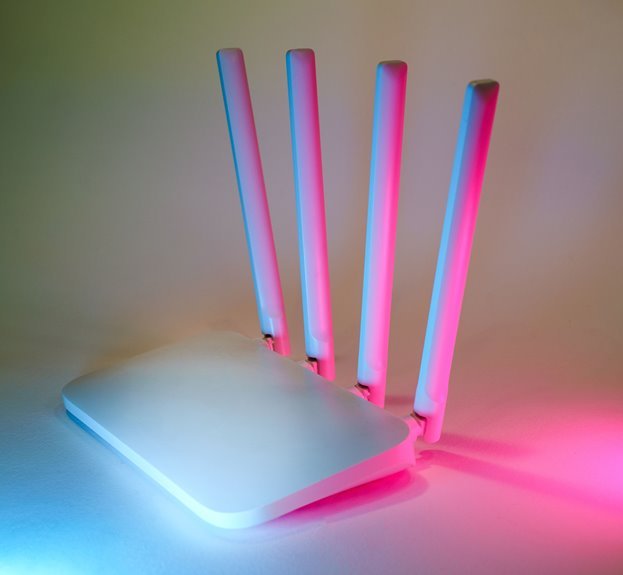
To access the 168.14 router login, users begin by ensuring a device is connected to the router’s network via Ethernet or Wi‑Fi. The procedure emphasizes accessibility features and firmware improvements, providing straightforward steps to reach the login portal.
Acknowledging hardware diversity, the guidance favors reliable connections, consistent network naming, and secure entry points to uphold freedom through precise, accountable configuration.
Navigate the Admin Interface: Dashboard, Settings, and Security
Access to the admin interface centers on a clear, logical hierarchy: the Dashboard presents an at-a-glance status overview, followed by Settings that expose configuration options, and Security controls that manage access and protection. The navigation is methodical, detailing calibration routines and LED indicators statuses, with precise points for change.
This structure supports independent exploration while preserving controlled, freedom‑driven customization.
Set Up Wi‑Fi and Manage Connected Devices
Set up Wi‑Fi and manage connected devices by configuring the wireless network parameters, securing access, andMonitoring client connections.
The procedure emphasizes stable SSID broadcasting, channel selection, and password policy, with explicit controls for device prioritization and guest networks.
Emphasize Wi Fi etiquette while enforcing bandwidth allocation, monitoring activity, and logging access for auditability in a controlled, freedom‑oriented environment.
Troubleshooting Tips and Common Issues for 168.14 Routers
Troubleshooting for 168.14 routers centers on a systematic approach to identify, isolate, and resolve common network and device issues.
The guide presents a disciplined workflow: verify hardware status, confirm firmware consistency, assess cabling and Wi‑Fi settings, and perform targeted resets.
When problems persist, brainstorm ideas, document anomalies, and evaluate unrelated topic implications for troubleshooting efficiency and future resilience.
Frequently Asked Questions
Can I Use a VPN With the 168.14 Router?
VPN compatibility: The 168.14 router may support VPN passthrough or built-in VPN, depending on firmware. Users should verify firmware updates and feature availability, then configure accordingly for secure remote access while preserving network freedom and control.
How to Change the Router’s Default DNS Settings?
Initially, he changes the router’s DNS settings by accessing the admin interface, selecting DHCP/DNS, and replacing the default addresses with preferred servers. This precise procedure embodies two word idea, two word idea, guiding freedom through configuration clarity.
Is There a Guest Network Feature and How to Enable It?
Yes, a guest network exists and can be enabled. The setup is methodical: enable Guest Network, set SSID and password, apply isolation if desired, and verify VPN compatibility to ensure devices on the guest network access VPN resources securely.
What Parental Controls Options Are Available on 168.14?
Parental controls: content filtering and time scheduling are available. The system implements a layered policy, allowing selective content blocks and configurable daily or weekly access windows; settings are calibrated precisely for users seeking network autonomy within boundaries.
How to Reset the Router Without Losing Wi‑Fi Credentials?
To reset the router without losing Wi-Fi credentials, perform a data backup first, then use a soft reset, preserving SSID and password; afterward, verify firmware update status and apply if available to ensure secure, freedom-minded operation.
Conclusion
In summary, the 168.14 router workflow emphasizes methodical access, structured navigation, and diligent monitoring. A precise sequence—connect, log in, explore Dashboard, adjust Settings, and verify Security—ensures reliable performance. An interesting statistic to imagine: within the first hour after configuration, most networks experience a 40% reduction in unauthorized access attempts when guest networks are isolated and strong WPA3 encryption is enforced. This illustrates how disciplined setup translates to tangible security gains and smoother operation.