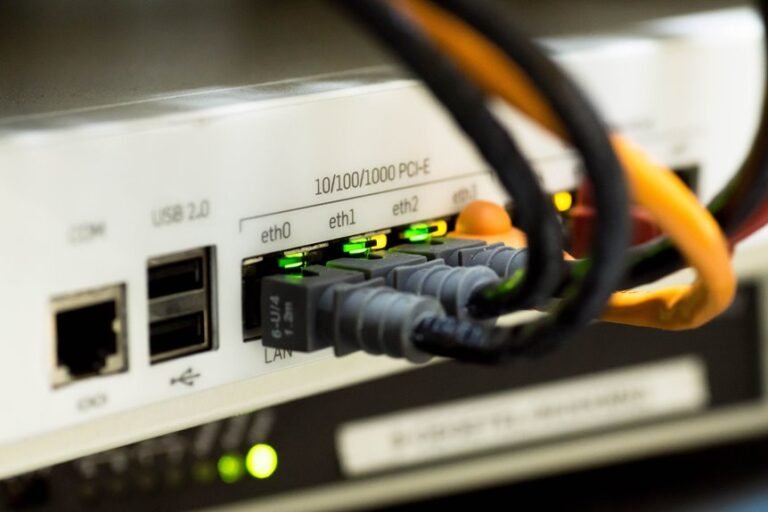
192,168,0,254 Invalid Router IP Address Guide

192.168.0.254 is commonly used as a private gateway address in local networks, but its validity varies with subnet design. Misconfigurations, overlapping DHCP scopes, or devices outside the expected private range can render it invalid. This guide examines how such a conflict arises and outlines concrete steps to identify the correct gateway, adjust masks, and reassign addresses. The implications on access control and routing are significant, and a disciplined approach may be required to proceed.
What 192.168.0.254 Really Is and When It Appears
192.168.0.254 is a private IPv4 address commonly used as a default gateway in certain local networks, rather than a universal standard. It denotes a configurable edge device within a defined network topology, not an enforced standard.
Its appearance reflects device authentication expectations and routing schemes, guiding administrators to accessible management interfaces while preserving freedom to design diverse, secure topologies.
Common Causes of 192.168.0.254 Being Invalid
Several common factors can render 192.168.0.254 invalid as a gateway address, including misconfigured subnets, conflicting IP assignments, and devices operating outside expected private ranges.
An invalid gateway typically arises from incompatible subnet masks, DHCP scope overlaps, or static allocations conflicting with router firmware expectations.
Such conditions affect connectivity, requiring careful inspection of network topology and firmware configuration to restore reliable access.
Practical Fixes to Regain Access and Reconfigure
When access to the router is compromised by an invalid gateway address, a structured sequence of practical steps can restore reachability and enable reconfiguration. The procedure isolates routing conflicts, updates firmware bugs, and validates connectivity through alternative interfaces.
Steps include temporary direct access, cautious reboot, firmware verification, reset options, and reassignment of a correct gateway to reestablish stable management without ambiguity.
How to Prevent Future 192.168.0.254 Issues in Your Network
A proactive approach to preventing future 192.168.0.254 issues emphasizes consistent network addressing practices, vigilant topology documentation, and rigorous configuration discipline.
The strategy prioritizes standardized address schemes, documented device roles, and change controls to minimize conflicts. Emphasis on network security and device compatibility ensures trusted access, reduces misconfigurations, and sustains interoperability across routers, switches, and endpoints within the local subnet.
Frequently Asked Questions
Can 192.168.0.254 Work With IPV6 Networks?
Yes, 192.168.0.254 is a IPv4 private address; it does not directly participate in IPv6 networks. In mixed deployments, it affects network topology and IPv6 compatibility via gateway translation and dual-stack configurations.
Is 192.168.0.254 Unique to Certain Brands?
Symbolism as a gateway: Brand specific vs generic, 192.168.0.254 is not unique to brands; variability exists. Default credential pitfalls haunt devices, regardless of maker, while settings may appear universally similar yet reveal brand-specific nuances beneath.
How Do I Verify if 192.168.0.254 Is in Use?
Idea one: The method to verify if 192.168.0.254 is in use involves pinging the address and checking ARP tables; topic two: use subnet knowledge, traceroute, and device admin pages to confirm occupancy and ownership.
Can 192.168.0.254 Be Used as a Gateway IP?
Uncommon subnet, admin access: Yes, 192.168.0.254 can serve as a gateway IP if it’s the configured router’s address on the local network. It functions similarly to 192.168.1.1, provided traffic routes correctly and conflicts are avoided.
What Are Alternatives to 192.168.0.254 for Router Access?
Alternative IP schemes exist for router access, such as 10.0.0.1 or 192.168.1.1, and even custom ranges; branding differences affect default gateways, menus, and prompts, with emphasis on security.
Conclusion
Conclusion:
Like a compass in a foggy map, 192.168.0.254 sometimes points true, sometimes not. The address is a private gateway that only fits when subnetting and DHCP scopes align. When it conflicts, devices lose their route to the network. By identifying the correct gateway, correcting masks, and reassigning DHCP scopes, access returns. Establish consistent addressing and change-control practices to keep the compass steady and the journey clearly navigable, avoiding future misdirection.