168.100.11 Router Login and Network Setup Guide

The guide outlines a device-agnostic method for securely accessing a router’s admin panel via a browser, starting with the correct IP and strong credentials. It emphasizes verified connectivity, status checks, and firmware updates before changing settings. It covers enabling WPA2/3, isolating guest networks, and strict access controls, plus uptime monitoring and routing table inspection. It ends by suggesting fault isolation steps to keep the network tidy, leaving practitioners with a clear path yet a critical decision ahead.
Understand the 168.100.11 Router Login Basics
The 168.100.11 router login process is initiated by opening a web browser and navigating to http://168.100.11 or http://192.168.1.1 (depending on device defaults).
The procedure remains device-agnostic, focusing on access initiation, credential verification, and session management.
Security audits and firmware updates are integral to ongoing governance, ensuring robustness, traceability, and resilience against evolving threats while preserving user autonomy and network integrity.
Connect to the Router and Access the Admin Panel
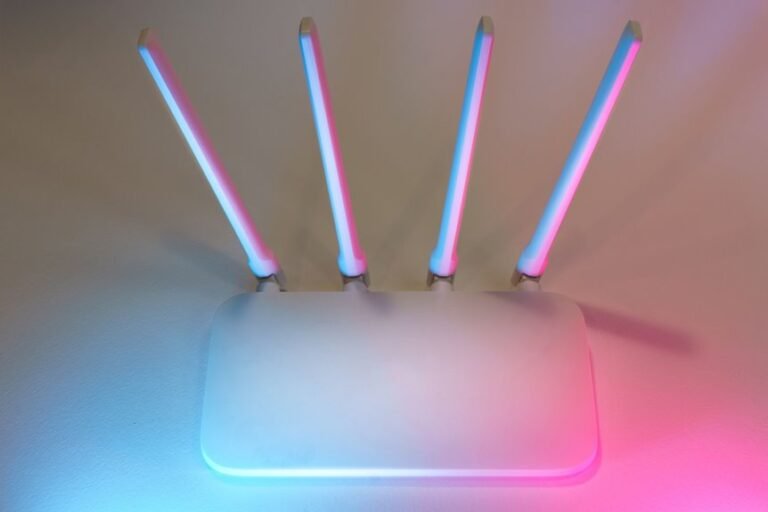
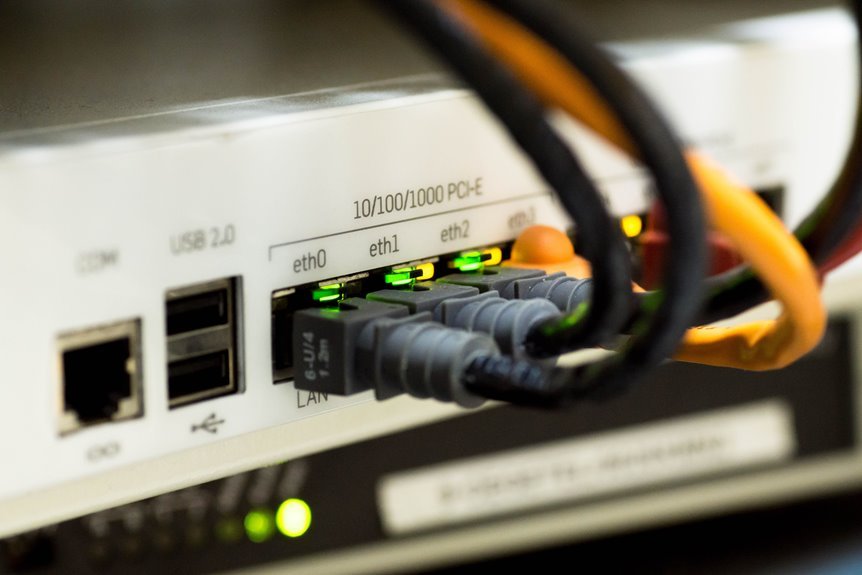
To connect to the router and access the admin panel, a user must connect a device to the router via Ethernet or Wi‑Fi, ensure the device obtains network connectivity, and enter the router’s IP address into a web browser.
Once loaded, login prompts appear; verify password security, review basic status, and confirm firmware update availability before making any configuration changes.
Configure Essential Wi-Fi Settings Securely
Configuring essential Wi-Fi settings securely involves enabling strong wireless protections, selecting appropriate encryption (preferably WPA3 or WPA2-P2P if WPA3 is unavailable), and disabling weak defaults. The configuration emphasizes security hardening, minimizes broadcast exposure, and enforces robust password policies. It also defines guest access controls, segregating guest networks, limiting bandwidth, and preventing device cross-access to core resources.
Tidy Up Network and Troubleshooting Tips
Is the network performance gathering process not straightforward, and does a tidy, methodical approach help prevent outages?
A detached assessment outlines concise steps for troubleshooting: verify connection integrity, inspect routing tables, and monitor uptime graphs.
Systematic cleanup reduces fault domains.
Focus areas include disconnecting devices to isolate faults and implementing a robust guest network setup for secure access without core disruption.
Frequently Asked Questions
Can I Login With My Mobile Data Instead of LAN?
Yes, it is possible. The device supports remote access over mobile data when properly configured, enabling login beyond LAN. This requires secure remote access settings, dynamic DNS or public IP, and appropriate port forwarding or VPN setup.
What Is the Default Router Login Credential if Lost?
Shadows gather on glossy UI as the default credentials are typically admin and admin or admin and password, though variants vary by model; a factory reset mistakes may alter them, worst-case requiring documentation, serial verification, or vendor support.
How to Reset the Router Without Losing All Configs?
A reset without losing configs is generally not possible; perform a backup before any reset. tip: backup settings, then cautiously apply a non-destructive option if available; caution: reset impact may still alter admin credentials and network profiles, undocumented changes included.
Can I Access the Admin Panel Remotely Over the Internet?
Remote access may be possible, but security concerns dominate; enable via secure VPN or HTTPS with strong credentials, and configure firewall rules to restrict IPs. The approach balances freedom with robust firewall rules and authentication.
Do I Need a Service Provider’s App for Setup?
Over 60% of users prefer non-app setups, yet a setup app isn’t mandatory. The device supports setup app alternatives and remote admin access, enabling configuration via web interface or local network without relying on provider-specific software.
Conclusion
In summary, the 168.100.11 router login and network setup guide equips operators with a precise, methodical workflow: connect via Ethernet or Wi‑Fi, securely access the admin panel, verify credentials, and review firmware updates. It emphasizes robust WPA2/3 protections, guest isolation, strict access controls, and ongoing monitoring of uptime and routing tables. Like a vigilant custodian, the guide encourages disconnecting devices to isolate faults, ensuring a tidy, secure, and auditable network environment.