168.5.250 Router Network Setup Guide

This guide details a modular, security-focused approach to configuring a 168.5.250 router for home or small-office use. It starts with verified hardware and proper power sequencing, then proceeds to IP schemes, subnets, and DHCP reservations to isolate devices. Emphasis is placed on WPA3, disabled WPS, and timely firmware updates, followed by interference-aware placement and channel optimization. Thorough testing ensures reliable connectivity, with documented steps that invite careful replication and ongoing maintenance, should issues arise.
What Is the 168.5.250 Router, and Why This Setup Matters
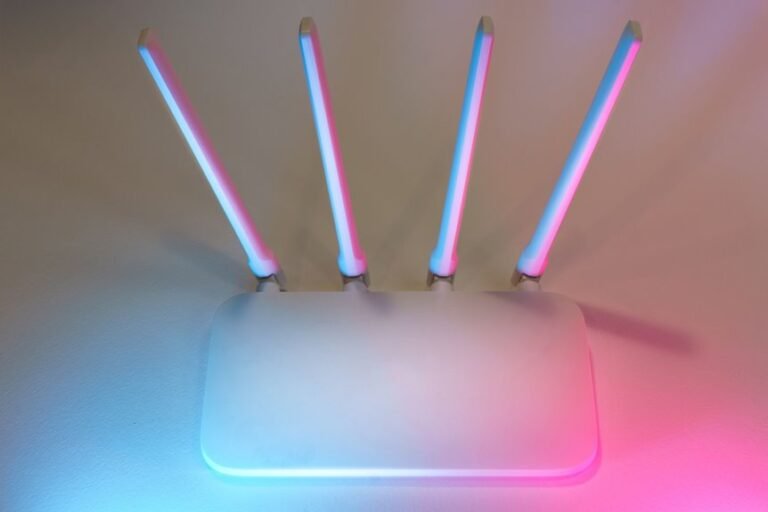
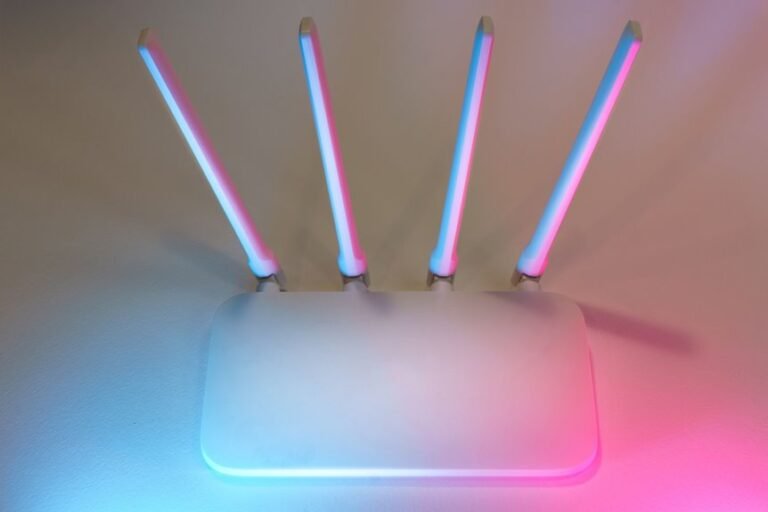
The 168.5.250 router refers to a specific network device identified by its IP address range, commonly used as a gateway or intermediary within a local area network.
The device coordinates traffic between local clients and external networks, highlighting setup ambiguity and practical constraints.
Understanding firmware compatibility is essential for stable operation, security updates, and future scalability within diverse, freedom-seeking configurations.
Quick-Start: Verify Hardware and Connect to Power, Modem, and Computer
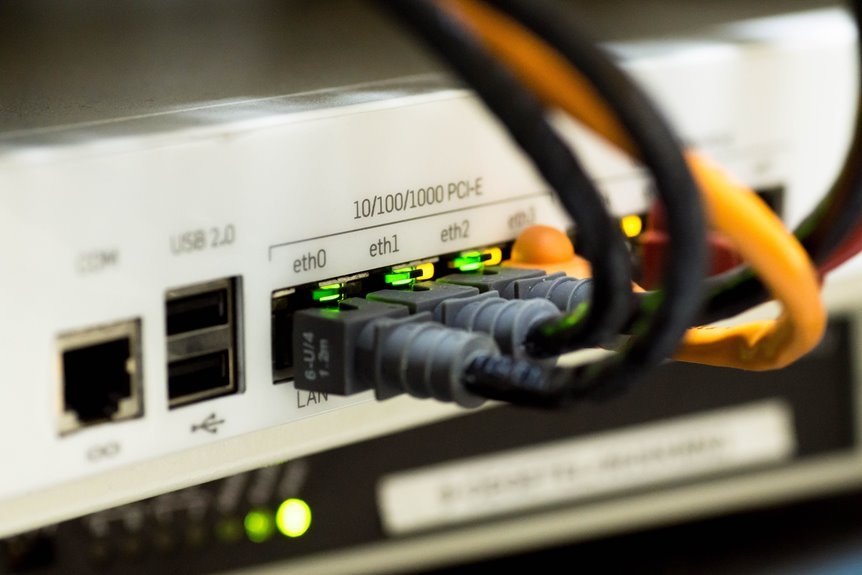
To begin practical setup, verify that all hardware components are present and powered before connecting network devices. The process follows a disciplined start up sequence, confirming power testing across the modem, router, and computer. Document initial status, note basic security basics, and ensure proper device bonding via powered connections. Maintain deliberate, freedom-oriented precision during assembly and verification steps.
Configure IPs, Wi‑Fi, and Security for a Safe, Reliable Network
Configuring IPs, Wi‑Fi, and security settings establishes a stable foundation for the network. The approach isolates subnets, enables DHCP reservations, and defines static addresses for core devices, enhancing control and predictability.
Implement strong WPA3, disable WPS, and enforce firmware updates. Address data privacy and minimize wireless interference by channel selection, interference-aware placement, and regular monitoring for anomalous access attempts.
Test Connectivity and Troubleshoot Common Issues
Once the IP, Wi-Fi, and security groundwork is established, the next step is to verify network reachability and identify faults through systematic testing. The evaluation emphasizes connection reliability, using ping tests, traceroutes, and port checks to local devices and the internet. Troubleshooting focuses on firmware updates, configuration mismatches, reset procedures, and documenting steps for reproducible remediation.
Frequently Asked Questions
How Do I Replace Default Admin Credentials Securely?
To replace default admin credentials securely, he should create a unique, strong password, enable multi-factor authentication where available, and disable unused services; meanwhile maintain secure password practices and schedule firmware update reminders to reduce risk.
Can I Enable Guest Network Isolation and Limits?
Yes, guest network isolation and bandwidth limits can be enabled; this configuration separates traffic and applies per-user quotas. The approach remains precise, methodical, and technical, though it may touch on irrelevant topic and unrelated concept for broader freedom.
What Are Best Practices for MAC Address Filtering?
A cautionary note: Mac address filtering pitfalls exist; it is not a substitute for robust security. For best practices, emphasize router firewall basics, maintain updated firmware, document allowed devices, and monitor logs while preserving user freedom and transparency.
How Do I Set up Qos for Streaming and Gaming?
QoS can prioritize streaming and gaming by allocating bandwidth, establishing traffic classes, and enabling uplink guarantees; implement rules using two word idea 1 and two word idea 2, then monitor latency and jitter for ongoing adjustments.
How Can I Perform a Factory Reset Without Losing Configs?
A factory reset without losing configs is not guaranteed; perform a firmware backup first, then reapply essential settings. Consider factory reset implications, remote access security, and router login exposure to minimize risk while preserving functional profiles.
Conclusion
The 168.5.250 router setup delivers a precise, methodical blueprint for a secure, scalable network. By verifying hardware, sequencing power, and isolating devices through careful IP, DHCP, and subnets, it minimizes risk and maximizes reliability. WPA3, disabled WPS, and timely firmware updates fortify defenses, while interference-aware placement and channel tuning reduce noise. Thorough testing—ping, traceroutes, port checks—ensures reproducible results. Implementing these steps yields a rock-solid network foundation that changes the game, dramatically.