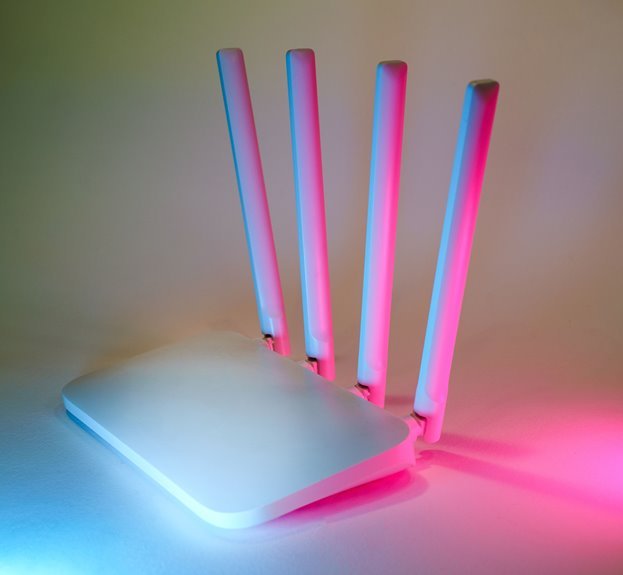
168.11.01 Router Admin Login Guide

Understanding how to access the 168.11.01 router admin page is essential for secure home networking. This guide outlines how to locate the login page, identify the correct credentials, and perform essential security tweaks. It also covers firmware updates to ensure stability and ongoing protection. The process can vary by model, and resets might reveal obscure defaults. For those managing a network, the steps set a foundation that invites practical follow-through.
How to Find the 168.11.01 Login Page Confidently
To locate the 168.11.01 login page, begin by ensuring the device is connected to the router’s network, either via Wi-Fi or an Ethernet cable.
The process emphasizes finding router IP and accessing admin page confidently, avoiding fear.
It supports updating login credentials, changing wifi password, securing admin interface, and firmware verification while maintaining concise, structured guidance for freedom-focused users.
What Credentials You’ll Need and How to Reset Them
What credentials are required and how can they be reset? The article notes a standard admin username and password, plus the option to use an account-based login if supported. Obscure credentials may appear in documented resets.
The reset procedure varies by model, often involving a hardware button.
Include security tips, firmware updates, and follow manufacturer instructions for safe, freedom-focused configuration.
Quick Security Tweaks for a Safer Home Network
Quick security tweaks can significantly reduce home network risk without extensive configuration. The approach emphasizes security basics and practical steps rather than complexity. Key moves include enabling strong WPA3 or at least WPA2 security, changing default admin credentials, and enabling automatic firmware updates where possible. This practice supports router hardening while preserving user autonomy and network performance.
How to Verify and Update Firmware for Stability
Firmware stability hinges on timely verification and updates. Devices should be checked for official firmware from the manufacturer, then installed via the admin interface. After update, perform basic network troubleshooting to confirm connectivity and performance. If issues arise, a firmware rollback may restore prior behavior. Maintain logs, note version changes, and plan future checks to ensure ongoing stability.
Frequently Asked Questions
Can I Access the Router Admin Page From a Mobile Device?
Mobile access is possible, enabling a device to reach the Router admin page. The user should secure credentials, manage parental controls, and plan recovery options if forgotten, ensuring stable access while preserving freedom to configure settings remotely.
What Should I Do if I Forget Both Username and Password?
Approximately 60% of users forget passwords; the statistic sets rhythm. If forgot password, perform login recovery via the router’s recovery option. If unsuccessful, consider factory reset, noting device compatibility; avoid frequent resets to preserve settings.
Is There a Guest Network and How to Disable It?
The router may offer a guest network; to disable guest network, access admin page, navigate to wireless or guest settings, and toggle off. Consider firmware update, security settings, network name, reboot frequency, and parental controls if needed.
How Often Should I Reboot the Router for Optimal Performance?
Reboot frequency depends on device stability; monthly reboots are common, with adjustments after firmware upgrades or performance issues. Regular security updates are essential, so ensure automatic updates when possible and review logs to maintain optimal, freedom-focused network reliability.
Are There Parental Controls Available on This Model?
Parental restrictions are available on this model, though options vary by firmware. It supports firmware updates to enable or adjust controls. The system allows selective access, with scheduling and content filtering, respecting user autonomy while safeguarding environments.
Conclusion
In the quiet hum of the home network, the login page waits, a door to hidden settings and potential peril. But each careful step—finding the IP, verifying credentials, and tightening security—builds a wary confidence. A moment’s hesitation could invite risk; a deliberate update, a secure password, and smart firmware choices seal the threshold. The router becomes a vigilant guardian, not a vulnerability, as the clock ticks toward a safer, steadier connection. The choice lingers: act, or risk the breach.