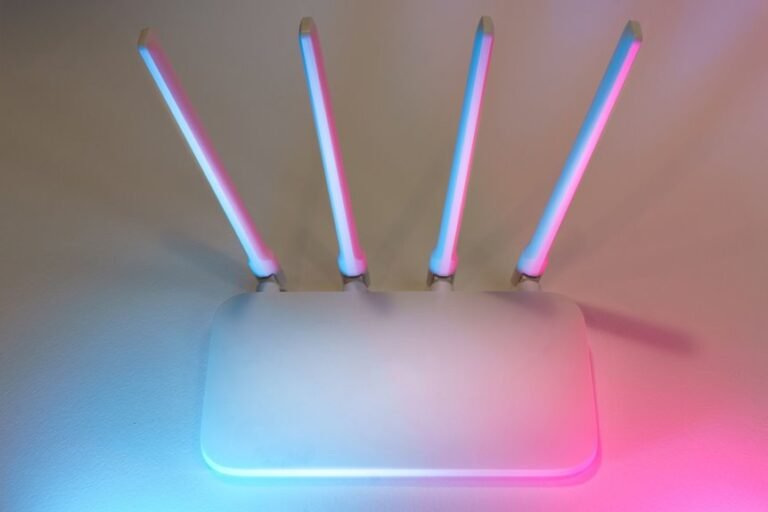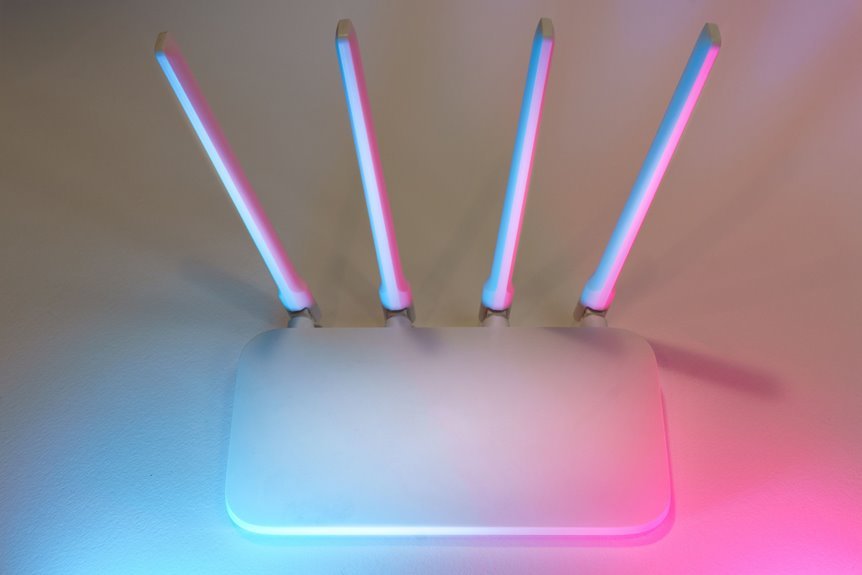
192168100.1 Router Configuration and Login Guide

The 192.168.100.1 router login guide explains a private gateway used to access local network settings. It outlines secure access methods, such as wired connections or trusted Wi‑Fi, and stresses device integrity. Core steps cover firmware updates, strong WPA3 protection, QoS, network segmentation, and disabling unused services. Regular audits and documented changes support resilience. A practical path forward is outlined, but a critical detail remains: how these measures integrate with specific router models and setups.
What Is 192.168.100.1 and Why It Matters for Your Network
192.168.100.1 is a private IP address used as a default gateway for many local networks, serving as the access point through which devices reach the router’s configuration interface.
The scope clarifies network topology and device reachability, enabling quick identification of entry points.
understanding private, troubleshooting basics guides users to diagnose connectivity issues without unnecessary steps, preserving freedom and efficiency.
How to Access Your Router Login Securely
To access a router’s login page securely, users should connect a device directly to the router via Ethernet or a trusted wireless network, ensuring the device is free of malware and up to date.
The process favors a secure login with direct access, avoiding public networks.
When convenient, enable a Guest network for isolated testing and monitoring of activity.
Essential Settings to Boost Speed, Security, and Reliability
How can a router be configured to maximize performance, security, and reliability? The guide emphasizes disciplined network tuning: select the fastest supported WAN/LAN modes, enable QoS for critical apps, and segment networks. Disable unused services; enforce strong passwords and WPA3. Acknowledge unrelated topic risks and identify security flaws through regular audits, yet avoid irrelevant detail that derails focus on core optimization. Concise, deliberate.
Ongoing Maintenance: Firmware Updates, Backups, and Best Practices
Ongoing maintenance centers on timely firmware updates, reliable backups, and adherence to best practices that sustain performance and security.
The detached review outlines steady maintenance routines, scheduled upgrades, and verification steps, ensuring minimal downtime and consistent stability.
Implementing clear backup strategies, regular test restores, and documented change logs fosters resilience.
This approach supports freedom through reliable control, predictable behavior, and sustained network integrity.
Frequently Asked Questions
Can I Use 192.168.100.1 on a Public Network?
Yes, it should not be used on a public network. The user would face privacy concerns and potential wireless interference; the device should be confined to trusted networks where security measures protect data and control access.
How Do I Reset Router to Factory Defaults Safely?
Reset to factory defaults safely by using the device’s reset pin, then reconfigure with secured settings. Follow security best practices: change default credentials, enable encryption, update firmware, and document changes. This ensures autonomy while maintaining protected network boundaries.
What DNS Settings Improve Gaming Latency?
DNS optimization improves gaming latency; latency testing informs adjustments, router QoS prioritizes traffic, and precise packet routing reduces jitter. The approach emphasizes parallelism, methodical steps, and freedom in configuration, delivering concise guidance for improved online play.
Is There a Guest Network Limit I Should Set?
A guest network limit depends on containment goals and bandwidth needs; set a reasonable cap to prevent saturation. He advised enabling parental controls, scheduling access, and monitoring usage to balance freedom with network integrity.
How Do I Clone MAC Addresses for Devices?
A blueprint unfolds: cloning MAC addresses requires caution and legality. The process involves acquiring network permission, then using device MAC spoofing or router features. Cloning mac addresses, changing router firmware, and ensuring compatibility must be methodical and compliant.
Conclusion
In the quiet circuitry of a well-tuned home, the 192.168.100.1 gateway stands as a discreet conductor. Like a seasoned captain consulting a trusted chart, it is approached with caution, secured with discipline, and refreshed with deliberate updates. The network rests on small, steady decisions—strong passwords, timely firmware, thoughtful segmentation. An ongoing cadence of audits and backups echoes the rhythm of a safe harbor, inviting calm data flow and resilient connectivity for every connected device.