162.254.254 Router Configuration and Network Guide

The 162.254.254 Router Configuration and Network Guide presents a practical framework for home and small-business networks. It covers firmware checks, default password changes, guest isolation, and secure wireless with WPA3. The guide emphasizes network segmentation, strict firewall rules, and data-driven troubleshooting for stable WAN links and predictable latency. It offers measurable steps and verifiable improvements while preserving user autonomy and privacy. A careful implementation reveals gaps that justify further exploration.
What Is the 162.254.254 Router and Why It Matters
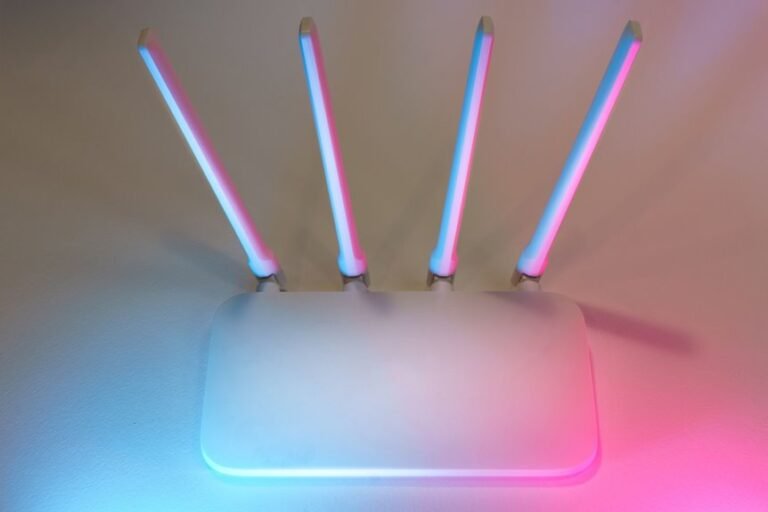
The 162.254.254 router is a network device that governs data traffic within a local area network (LAN) by directing packets between connected devices and the wider internet. It serves as a centralized control point, ensuring address resolution, security boundaries, and traffic prioritization.
Newbie questions and vendor myths are addressed with objective clarity, reinforcing informed, independent configuration choices for freedom-oriented users.
Quick-Start Setup: Get Online Safely in Minutes
This section guides users through a streamlined, risk-aware initial configuration for a 162.254.254 router, outlining a rapid sequence to establish network connectivity while enforcing essential security defaults.
The fast startup prioritizes essential firmware checks, default password rotation, and automatic updates, with guest access management configured to isolate devices.
It emphasizes stable WAN, precise SSID naming, and minimal exposure.
Lock It Down: Secure Wireless, LAN, and Firewall Basics
To reinforce the groundwork from the Quick-Start Setup, the Lock It Down section specifies secure wireless, LAN, and firewall configurations that minimize exposure and protect traffic.
The text outlines disciplined practices: strong WPA3, segmented networks, and strict firewall rules.
Security auditing and guest isolation are emphasized to verify posture and prevent lateral movement, maintaining freedom without compromising control.
Practical Tuning and Troubleshooting for Reliable Performance
Practical tuning and troubleshooting for reliable performance centers on a disciplined, data-driven approach to diagnosing and optimizing router behavior. The method emphasizes measurable metrics, repeatable tests, and targeted adjustments. Latency tuning quantifies delays, identifies bottlenecks, and validates improvements.
MU MIMO basics inform concurrent stream allocation, reducing contention and enhancing stability under load for diverse, freedom-seeking networks.
Frequently Asked Questions
How Do I Reset the 162.254.254 Router to Factory Settings?
A reset procedure is to access the router’s admin panel, locate factory reset, and confirm; this performs a factory reset. After reboot, apply firmware update and security patches, then reconfigure settings for secure, freedom-focused network operation.
Can I Change the Router’s Default IP Address?
Yes, it is possible to change the router’s default IP address. For router customization and network security, the device’s admin interface allows altering the LAN IP, subnet, and DHCP scope, while documenting changes for auditable freedom and control.
What Parental Controls Are Available on This Router?
Parental controls are robust, enabling time schedules, site filtering, and access blocks; firmware updates ensure ongoing functionality and security. The router supports configurable content restrictions, device-based rules, and remote management, appealing to users seeking measured, freedom-conscious control.
How Do I Set up DNS Over HTTPS on It?
To set up DNS over HTTPS on the router, follow the interface, enable DNS over HTTPS, and specify trusted resolvers. Ensure Firmware updates are applied, then configure a secure Guest network setup for isolated traffic and privacy.
What’s the Warranty Coverage for This Device?
Anecdote: like a lifeboat deployed at dawn, the device’s warranty coverage ensures repair or replacement. The terms vary by model and region, but, in general, it includes hardware defects and firmware updates; verify device support specifics with the vendor.
Conclusion
In a world of shifting signals, stability remains the constant. The guide juxtaposes freedom with discipline: autonomy to customize alongside rigid checks that guard every packet. Security and performance are not mutually exclusive but interdependent—strong passwords and firmware hygiene, gentle latency tuned by data-driven tweaks. As configurations mature, users move from guesswork to verifiable outcomes, proving that prudent controls can coexist with flexible, private networks. Endurance, not haste, secures the home and small business edge.