168.1.151 Router Configuration and Setup Guide

The 168.1.151 Router Configuration and Setup Guide outlines how to locate the default login, access the Admin Panel, and establish secure wireless settings. It emphasizes verifying model-specific credentials, applying firmware updates, and documenting changes. The approach is methodical and proactive, detailing troubleshooting steps and status indicators. Practitioners will find procedures that ensure stable, autonomous performance, while noting deviations and updates. A clear path remains for completing setup, but certain configuration nuances warrant careful attention before proceeding.
How to Find the Default Login for 168.1.151 Routers
To locate the default login for 168.1.151 routers, begin by consulting the device’s label or user manual, where factory credentials are typically listed.
The approach remains precise and proactive: verify model specifics, note any deviations, and reference firmware rollups.
Consider finding hardware quirks that affect login behavior, ensuring informed setup while recognizing potential, purposeful freedom in configuration.
Accessing the Admin Panel: Step-by-Step Guide
Accessing the Admin Panel is a stepwise process designed to minimize errors and ensure secure access. The guide outlines precise, calm navigation to the login interface, verification of credentials, and entry into the dashboard. Gentle reminder: perform firmware updates promptly. Within settings, note parental controls options, and document changes. Exit after confirming saved configurations to preserve stability and freedom.
Secure Wireless Setup: SSID, Passwords, and Encryption
Secure Wireless Setup involves configuring a stable, unique network identity and robust protection for wireless clients. The section outlines selecting an SSID that avoids disclosure of location or owner, implementing a secure password, and enabling encryption standards. It emphasizes routine credential updates, wireless isolation where appropriate, and avoiding default settings to reduce exposure, while preserving user autonomy and reliable connectivity.
Basic Network Troubleshooting for 168.1.151 Routers
When common connectivity issues arise on 168.1.151 routers, a structured approach to troubleshooting is essential.
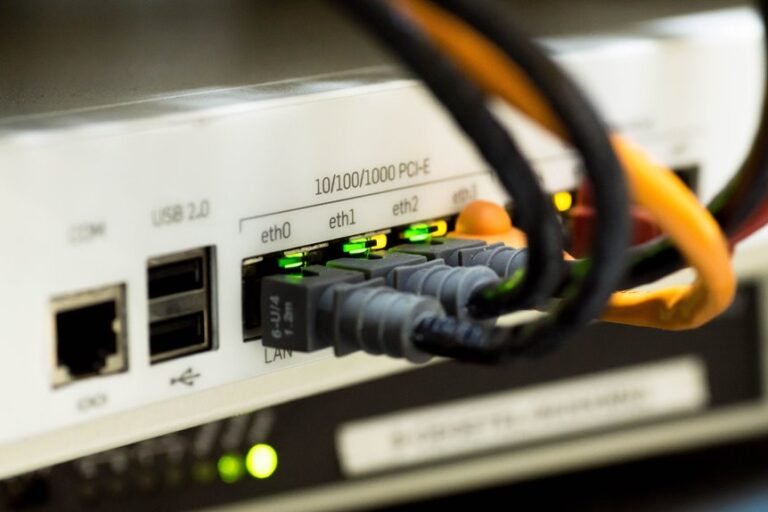
The procedure emphasizes methodical checks: verify cabling and LEDs, power cycle devices, confirm firmware current, and isolate WAN/LAN paths.
Consider networking ethics, hardware maintenance, and antivirus considerations to prevent misdiagnosis and ensure stable, secure performance for freedom-loving users.
Frequently Asked Questions
How Often Should I Update Firmware on 168.1.151 Routers?
Firmware maintenance should occur promptly when updates are released, aiming for quarterly assessments and emergency patches as needed. This ensures service timeliness while preserving operational freedom, with proactive reviews and disciplined update cycles in ongoing router management.
Can I Bridge 168.1.151 With Another Router Model?
Bridging compatibility exists, though it varies by model; the approach is feasible but may require firmware updates and careful configuration. If not supported, consider remote management alternatives or a dedicated bridge device to preserve network freedom and stability.
What Parental Controls Options Exist on 168.1.151?
Parental controls options include site filtering, time schedules, and device access restrictions, implemented via firmware features. The device’s Firmware update cadence is regular and progressive, enabling proactive rule maintenance and uninterrupted security while supporting a freedom-oriented, self-managed network strategy.
How Do I Backup and Restore Router Settings?
Backup settings are saved via the router’s backup/restore menu, then restore procedure is performed to reinstall, while noting firmware updates; ensure parental controls, default DNS, and bridging with other router settings remain intact during the process.
What Is the Default DNS Configuration for 168.1.151?
The default DNS is assigned automatically by the router, aligning with router behavior and DHCP. It remains stable through firmware updates, preserves bridge compatibility, and supports parental controls; back up and restore settings to ensure consistent configuration.
Conclusion
In sum, the 168.1.151 router guide proves that configuration is a rigorous science, not a gardeners’ whim. The observer notes that default credentials, once found, should be treated with the solemnity of a treaty. Admin access, reboot rituals, and encryption choices are performed with the precision of a lab protocol. If anything falters, the manual’s steps repeat—an endless loop of proactive troubleshooting—until the network hums securely, quietly, and optimistically like a well-ordered factory.