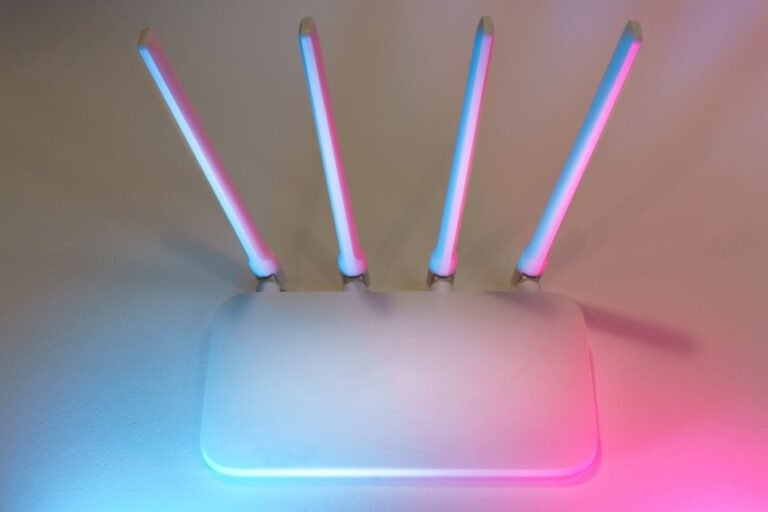
168.10.9 Router Login and Network Configuration Guide

Access to the 168.10.9 router admin page is the starting point for a disciplined network setup. The guide defines exact steps for login, initial configuration, and ongoing management, with emphasis on security, governance, and auditable change control. It covers essential network settings, performance tuning, and protection measures in a structured, repeatable manner. A clear path emerges for implementing solid fundamentals, yet key decisions and configurations await careful consideration as systems evolve.
How to Access the 168.10.9 Router Admin Page
To access the 168.10.9 router admin page, open a web browser on a device connected to the router’s network and enter http://168.10.9 in the address bar.
The interface loads the login portal, presenting authentication prompts and status indicators.
Accessibility features and vendor support are outlined, enabling informed adjustments while maintaining independence and control over secure, reliable configuration and ongoing network governance.
Essential Network Settings You Should Configure
Essential network settings form the backbone of a stable router deployment and should be configured after basic access is established.
This section presents a concise, technical catalog: firewall rules, DNS, and IPv6 readiness.
Two word discussion ideas, router security; two word discussion ideas, firmware update.
Clarity guides configuration choices, enabling controlled access, auditable changes, and freedom to tailor networks without excess complexity.
Boost Performance: Wi‑Fi, LAN, and QoS Tweaks
This section covers concrete adjustments to Wi‑Fi, LAN, and QoS settings to optimize throughput and reliability.
The guidance concentrates on disciplined configuration sequences, testing, and measurable outcomes.
It addresses networking myths and firmware debates, emphasizing benchmark-driven decisions, channel selection, and bandwidth prioritization without excessive speculation.
Structured, repeatable steps enable predictable performance gains while preserving network freedom and stability.
Security Musts: Protect Your 168.10.9 Router
Is the 168.10.9 router adequately safeguarded against common attack vectors and misconfigurations?
The security imperative centers on disciplined configuration management, regular firmware updates, and restricted remote access. Implement robust admin credentials, disable unused services, and segment networks. Maintain data privacy by encrypting management traffic and enforcing strong authentication. Schedule firmware updates promptly to close vulnerabilities and preserve operational integrity.
Frequently Asked Questions
How Do I Reset the Router to Factory Defaults?
To reset the router to factory defaults, initiate the reset process, hold the reset button until LEDs flash, then reconfigure using secure settings; perform a firmware update if available and review security settings to ensure robust protection.
Can I Change the Default Admin Username and Password?
Yes, it is possible to change the default admin username and password. For heightened password security and network segregation, implement unique credentials, disable default accounts, and enforce strong, regularly rotated passwords within a secure access policy.
What Should I Do if I Forget the Wi‑Fi Password?
A forgotten password triggers a reset sequence; the router’s admin interface offers a password reset or recovery option. The user should use lost credentials recovery, reconfigure security, and rebind devices, ensuring updated credentials and documented backups for future access.
How Do I Update the Router’s Firmware Safely?
The procedure to update firmware safely involves verifying model compatibility, performing a firmware backup, and applying the update via the router’s admin interface, then reviewing update logs and rebooting. It emphasizes controlled steps, accountability, and user autonomy.
Can I Set up Guest Wi‑Fi and Parental Controls?
A guest network and parental controls can be configured; the device supports isolating guest devices and enforcing content or time restrictions. In practice, enable guest network, set authentication, then implement parental controls with schedules and access limits.
Conclusion
In the quiet architecture of a networked home, the 168.10.9 router stands as a steadfast guardian. Each configuration choice—strong credentials, encrypted management, strategic firewall rules—acts like a keystone, stabilizing an unseen cathedral of data. Firmware updates keep the arches intact; QoS channels tune the hallways for orderly traffic; audits and change control seal the vaults against chaos. When disciplined, the wall of connectivity becomes a beacon, luminous with privacy and dependable performance.