168.60.1 Router Login and Network Setup Guide

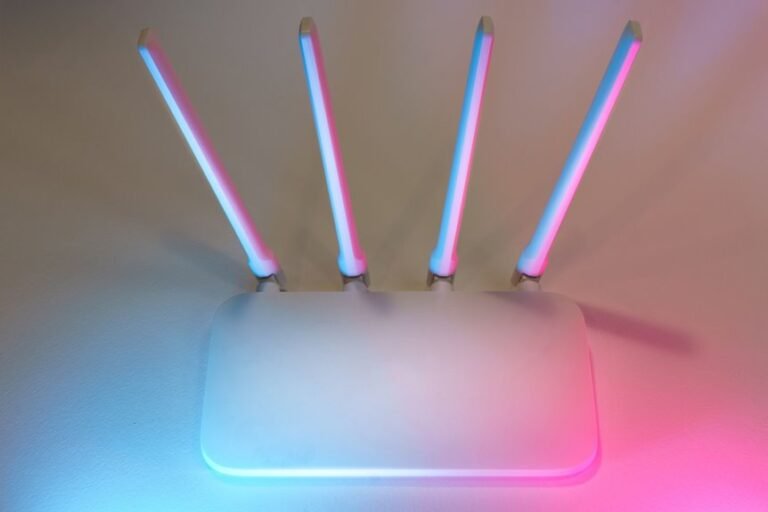
The 168.60.1 router login process is described with a focus on secure, deterministic steps. An administrator connects via Ethernet or stable Wi‑Fi and accesses http://168.60.1 for the authenticated portal. Initial setup covers core services—wireless, LAN, and security—while ongoing management emphasizes updates, logs, and policy review. Strong passwords and trusted DNS are essential, and baseline firewall rules should be established cautiously. A few issues may arise, prompting careful troubleshooting as the network evolves and access remains guarded.
How to Log In to 168.60.1 Router in Minutes
To log in to the 168.60.1 router, ensure the device is connected to the router via an Ethernet cable or a stable Wi-Fi connection, then open a web browser and enter http://168.60.1 in the address bar. Access requires authentication, with password security as a priority; perform required firmware updates to maintain integrity and performance while enabling secure, uninterrupted network operations.
Accessing and Understanding the Admin Panel
The admin panel provides a centralized interface for configuring the router’s core functions, including network settings, security options, and device management.
Access is through a web browser with authentication, presenting sections for wireless, LAN, and administration.
Users should review network security policies, monitor logs, and perform firmware updates, ensuring stable performance while preserving autonomy and control over device behavior.
Quick Start: Secure Wireless, DNS, and Firewall Basics
A quick start for securing wireless, DNS, and firewall settings involves validating radio security modes, binding trusted DNS servers, and enabling foundational firewall rules to block unsolicited inbound traffic.
The guide emphasizes secure passwords, disciplined access control, and monitored device authentication.
It also notes risk-aware handling of open ports, ensuring essential services remain reachable while minimizing exposure and maintaining user autonomy.
Troubleshooting Common Login and Connectivity Issues
Common login and connectivity issues on 168.60.1 router interfaces typically stem from misconfigured credentials, incorrect IP addressing, or conflicting network settings; a structured diagnostic approach can rapidly identify root causes.
Password recovery steps restore access when credentials are forgotten.
Mac address filtering may block legitimate devices; verify allowed lists, disable temporarily, and reauthenticate with correct network policies to restore functional connectivity.
Frequently Asked Questions
How to Update Firmware on 168.60.1 Router?
Firmware on the device should be updated via the vendor’s web interface or official utility, following the update schedule; consider hardware aging and verify checksums. The process preserves settings and enables security, performance improvements, and long-term reliability.
Can I Reset to Factory Defaults Without Losing Data?
A hypothetical case shows a user performing a factory reset while preserving data: some routers offer data preservation options. The answer: generally not; a true factory reset erases configurations, risking data loss unless cloud or modular backups exist.
How to Set up Guest Networks on 168.60.1?
The guest network can be configured by enabling network isolation, creating a separate SSID, and selecting restricted access. After a firmware update, apply parental controls and monitor usage; ensure firewall rules protect main devices while preserving freedom and privacy.
What Parental Control Options Are Available?
Parental control options include system-wide controls and content filtering, though it notes parental control limitations in granularity. The device supports configurable filters, schedules, and access rules, reflecting a balance between security aims and user freedom within network policies.
How to Backup and Restore Router Settings?
Backup timing is crucial; the guide explains explicit steps to backup and restore router settings. It covers restore verification, firmware rollback, guest access, parental scheduling, and data retention within a precise, technical framework for freedom-minded users.
Conclusion
Access to the 168.60.1 admin portal unlocks a tightly controlled network. As settings converge—wireless, LAN, DNS, and firewall—an unseen balance forms between usability and protection. The device keeps watch, logs accumulating, updates pending. A single misstep can invite risk, yet proper credentials and trusted rules seal the perimeter. In the stillness between tweaks and reboots, the system holds steady, awaiting the next fine adjustment, the next test, the next safeguard, just beyond the login threshold.