What to Know About 5031009437 When Common Problems Appear

5031009437 often signals access and timing issues in system interactions. Common problems include misconfigurations, expired credentials, or conflicting policies that block access or slow responses. Begin with safe checks: verify network reachability, DNS, and basic connectivity. Assess performance signals through metrics and logs, then rule out synchronization gaps and outdated rules. If issues persist after these steps, escalate to a specialist to avoid disruption, and keep escalation focused and timely.
What Is 5031009437 and Why Issues Arise
What is 5031009437 and why do issues arise? The term represents a commonly encountered identifier, signaling system interactions that warrant scrutiny. A 5031009437 overview highlights its role in access control, timing, and error signaling. Common causes include misconfigurations, expired credentials, or conflicting policies. Issues stem from gaps in synchronization, incomplete updates, or ambiguous rules, requiring targeted investigation and disciplined remediation for reliable operation.
Quick Checks to Rule Out Common Connectivity Problems
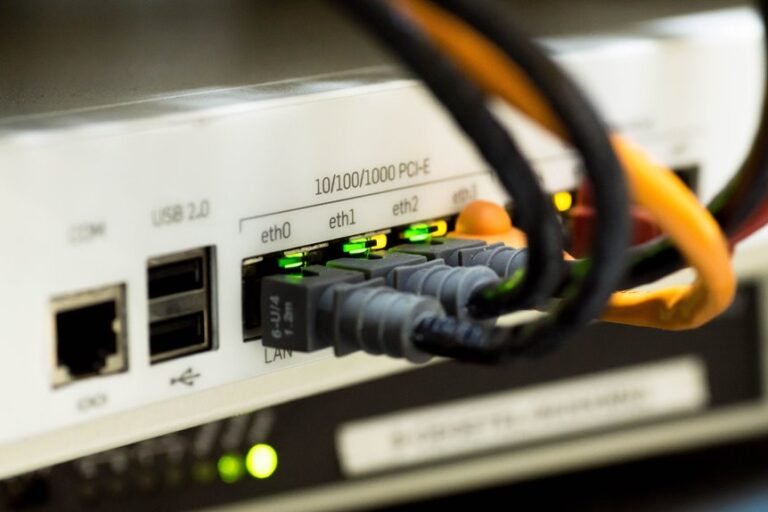
To quickly rule out common connectivity problems, begin with a structured checklist: verify network reachability to the target service, confirm DNS resolution is correct, and ensure there are no active firewall or security group rules blocking the connection. Field evaluation and basic network mapping confirm path integrity, enabling rapid isolation of устраняемые issues without unnecessary complexity.
Diagnosing Performance Slowdowns and Symptoms
Performance slowdowns present at the service layer typically manifest as increased latency, higher error rates, or degraded throughput; a structured approach should quantify impact, identify the responsible subsystem, and prioritize remediation steps.
A diagnostic mindset guides data collection across metrics, traces, and logs, then root cause tracing isolates bottlenecks, enabling targeted mitigation and faster restoration of service levels.
Safe Troubleshooting Steps and When to Call a Pro
Safe troubleshooting starts with disciplined, low-risk checks that prevent unnecessary disruption.
The section outlines 5031009437 troubleshooting steps, emphasizing measured tests before escalation.
It covers connectivity basics to verify basic link and device status, then guides performance diagnostics to pinpoint bottlenecks without overhauling systems.
When issues persist, it recommends calling a pro for advanced remediation and formalized support.
Frequently Asked Questions
What Is 5031009437 and Why Might It Appear Suddenly?
A 5031009437 is a service error code indicating an issue origin that disrupts access; it may appear suddenly due to spikes or outages. It requires swift containment, latency impact assessment, and targeted retry or fallback to maintain freedom and continuity.
Can 5031009437 Affect Only Certain Devices or Networks?
A split light ray fractures across screens, illustrating damage: 5031009437 can be device specific or network wide. It may target certain devices while others remain unaffected, or propagate broadly across the network with uniform impact.
Is There a Known Firmware or Software Version Issue With 5031009437?
There is no widely acknowledged firmware or software version issue with 5031009437. If problems arise, focus on firmware concerns and assess potential network impact, updating from verified sources and validating compatibility across devices and networks before deployment.
Does 5031009437 Indicate Security or Privacy Risks?
The question: 5031009437 does not inherently indicate security risks or privacy concerns. However, it may signal vulnerabilities if associated with untrusted sources; evaluate sources, apply updates, and monitor privacy settings to reduce exposure and maintain control.
Are There Automated Fixes for 5031009437 Beyond Manual Steps?
Unequivocally, automated remediation exists but varies by system; it should be pursued with caution. Automated remediation reduces manual steps, yet effective User guidance remains essential for safe deployment and ongoing governance.
Conclusion
In the quiet hum of a system, 5031009437 stands as a gatekeeper whose missteps whisper through misconfigurations and stale credentials. When problems surface, begin with the fundamentals—verify reachability, DNS, and basic connectivity—then read the logs for bottlenecks and policy clashes. If gaps persist, escalate to a specialist. Like a lighthouse in fog, disciplined checks illuminate the safe harbor, preventing disruption while guiding resolution with calm, procedural precision.