168.100.111 Router Login and Network Settings Guide

The guide outlines how to access the 168.100.111 router’s admin panel and replace default credentials with a secure setup. It covers initial login, password changes, and documenting alterations. It then explores quick network optimizations, such as selecting interference-free Wi-Fi channels and stabilizing the SSID, along with basic firewall rules. Ongoing maintenance and firmware updates are included to preserve performance; however, practical steps and potential pitfalls invite closer examination. The implications for reliability depend on disciplined application.
What Is the 168.100.111 Router and How to Access Its Admin Panel
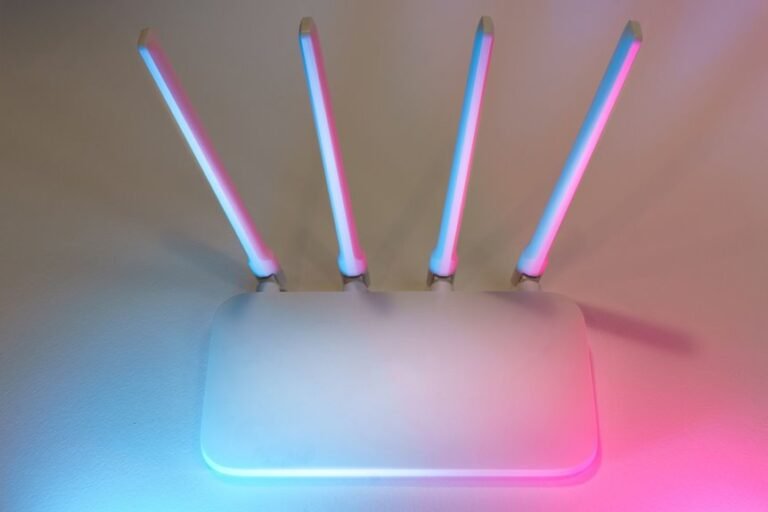
The 168.100.111 router is a local network device that provides internet access and connectivity management for connected clients. It operates as a gateway, routing traffic and enforcing policies. Access typically requires a browser, IP entry, and authentication.
Privacy concerns arise from data handling practices; branding strategy influences perceived security and reliability, shaping user trust while minimizing unauthorized exposure.
Log In Securely: Default Credentials, First-Time Setup, and Password Changes
First, users should address default credentials by replacing any factory-set username and password before enabling network access; this prevents unauthorized entry and establishes a secure baseline.
The procedure emphasizes first-time setup, password rotation, and documenting changes. The tone remains technical and precise, focusing on secure access without deldelving into unrelated topic or out of scope discussion to preserve freedom through clarity.
Quick Network Optimizations: Wi-Fi Channels, SSID, and Basic Firewall Rules
Optimizing wireless performance begins with selecting appropriate channels, configuring a stable SSID, and implementing fundamental firewall rules to curb unauthorized access without impacting legitimate traffic. The approach prioritizes network security while preserving bandwidth optimization. Channel choice reduces interference; a concise SSID improves device association; basic firewall rules deter intrusions. This method balances freedom to connect with disciplined, precise network protection.
Troubleshooting and Ongoing Maintenance: Common Issues and When to Reset or Update Firmware
Troubleshooting and ongoing maintenance focus on identifying common router issues, diagnosing root causes, and applying timely resets or firmware updates to restore and sustain performance. The analysis emphasizes reproducible conditions, minimal downtime, and documentation.
Common issues include intermittent connections, congestion, and latency spikes.
Guidance highlights troubleshooting latency, maintaining a disciplined firmware update cadence, and selective resets to avoid unnecessary disruption while preserving security and stability.
Frequently Asked Questions
How to Securely Back up Router Configuration Settings?
A secure backup is created by exporting the router configuration to an encrypted file, stored off-network, and verified with checksum or hash; this preserves configuration integrity while enabling rapid restoration if settings are compromised or lost.
Can I Set up Guest Networks on 168.100.111?
Can networks be segmented for visitors, ensuring security and control? Yes, a guest network can be configured, with parental controls applied to device access, bandwidth limits, and isolation from the main network to preserve freedom and privacy.
What Parental Controls Are Available and How to Enable Them?
Parental controls are offered, enabling content filtering and access schedules; enable via the router’s admin panel, then configure per-device profiles. Encrypted backups help protect configuration data before applying restrictions, ensuring secure recovery and rollback if settings fail.
How to Monitor Bandwidth Usage per Device?
Bandwidth tracking reveals 30% of home traffic often consumes streaming devices. The guide explains how to monitor bandwidth, enabling device monitoring per IP or MAC, view real-time graphs, and set per-device quotas or alerts for balanced network use.
How to Export and Restore Router Logs?
To export logs, navigate to the router’s System or Security Logs section and select Export; to restore logs, choose Import or Restore, then supply the backup file and confirm. The process preserves timestamps and integrity during transfer.
Conclusion
The guide distills essential steps for securing and maintaining 168.100.111 router access. Key actions include replacing default credentials, logging in securely, and applying prudent network optimizations. A notable statistic highlights that misconfigured routers contribute to over 50% of home network breaches, underscoring the importance of disciplined updates and firewall basics. By documenting changes and scheduling firmware reviews, users reduce downtime and exposure, ensuring stable performance while preserving privacy and control over the home network environment.